
Date: April 21, 2026
Perspective: Senior Regional Analyst
Status: Consolidated Sovereignty / Institutional Alliance
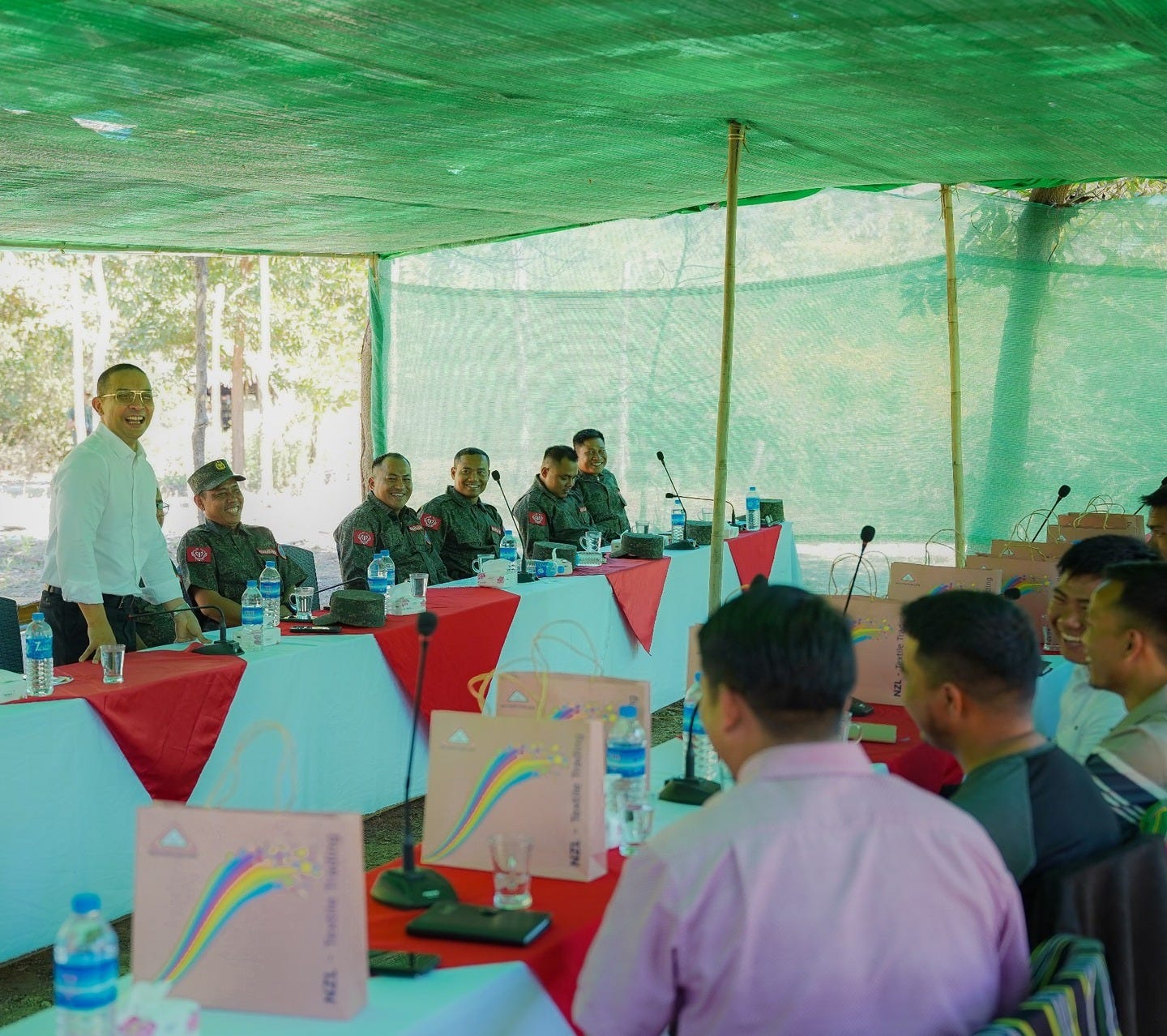
The transition from rebellion to governance is now complete in Western Myanmar. This is no longer a localized insurgency; it is the operationalization of the Rakhine People’s Government (ရက္ခိုင်ပြည်သူ့အစိုးရ). Our latest analysis confirms that the United League of Arakan (ULA/AA) has moved beyond territorial conquest to establish a functional architecture of authority that anchors the entire southern theater.
I. A New Architecture of Authority
The ULA has successfully operationalized “Rakhita Regional Primacy“ (ရက္ခိတ လမ်းစဉ်) through two distinct pillars:
Integrated Civil-Military Administration: In 14 of 17 townships, the ULA has repurposed official infrastructure to house an integrated administration. We have verified a “blended leadership” model where battle-hardened military cadres work alongside university-trained civilian professionals. From healthcare delivery to trade monitoring in Maungdaw and Thandwe, the junta’s administrative footprint has been entirely supplanted.
Sovereign Maritime Domain: The AA now functions as a sovereign maritime entity. By securing the coast and the critical port of Kyaukphyu/SEZ, they control the maritime trade routes. This reality necessitates that regional powers, specifically India, look past Naypyidaw’s diplomatic “amnesty bait” and accept that the ULA now holds the keys to the Kaladan Multi-Modal Project.
II. The Southern Consolidation: The AA-CPU Strategic Alliance
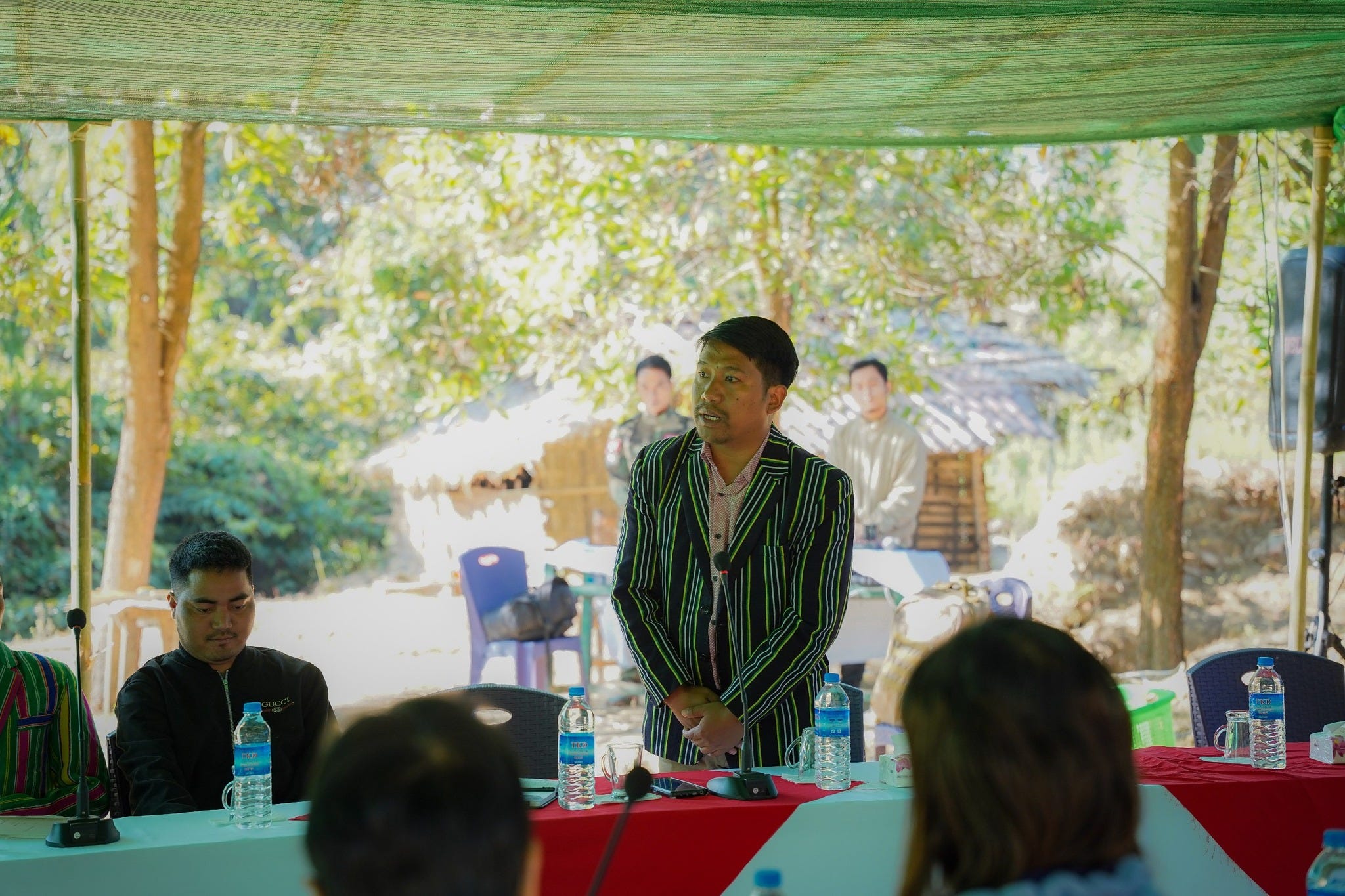
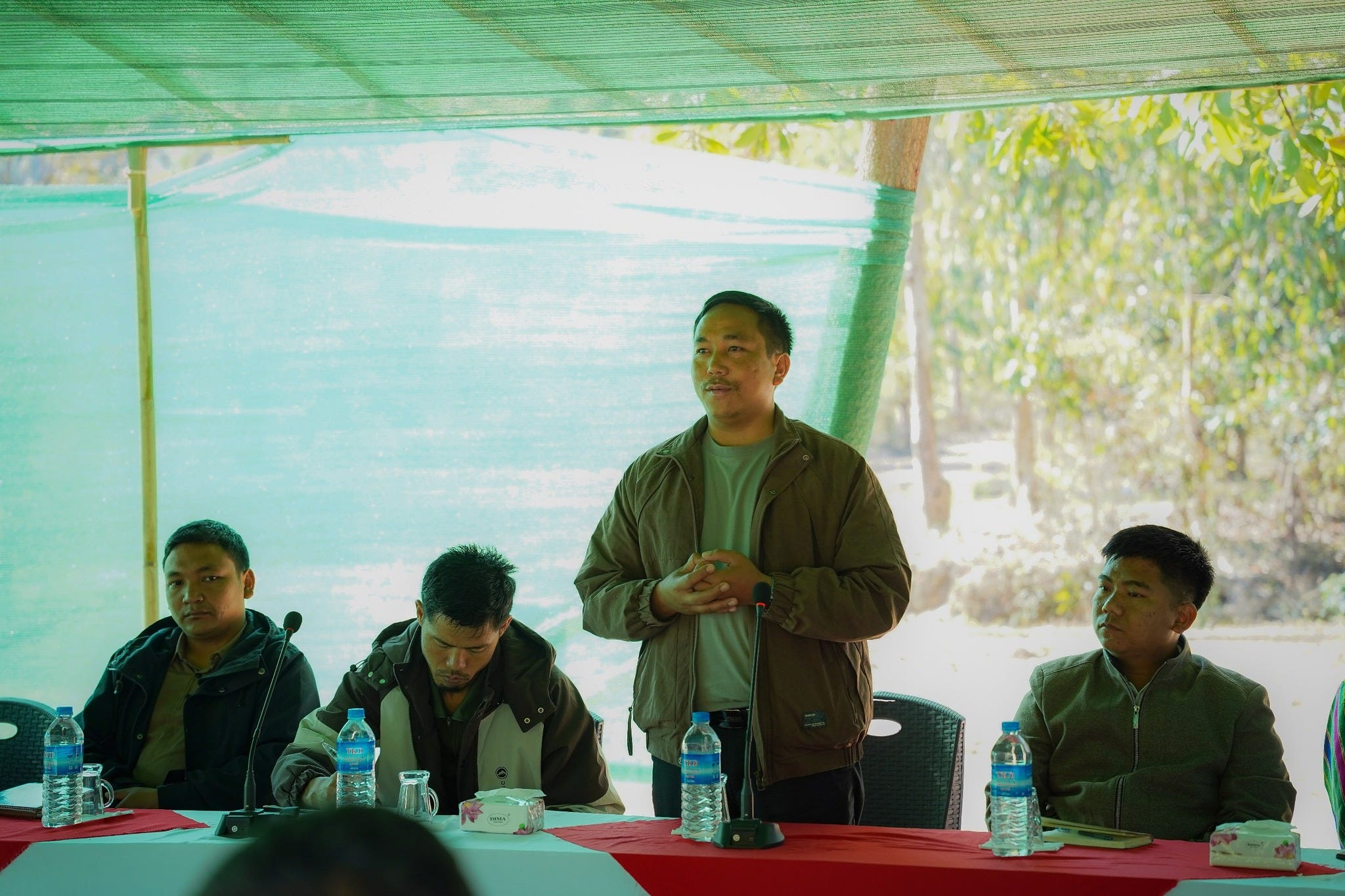
In a significant diplomatic expansion, the ULA/AA hosted a high-level delegation from the newly formed Chin People’s Union/Army (CPU/CPA) on April 20, 2026. This meeting formalizes a strategic partnership with the unified force representing Mindat, Kanpetlet, Matupi, and the Daai region.
The terms of this “Security Arch” include:
The Logistic Lifeline: The AA will provide expanded supply routes through Paletwa, tethering the Southern Chin revolution directly to the Arakanese maritime supply chain.
Tactical Transfer: The CPU/CPA will officially enter the AA’s advanced “Apprentice Program,” gaining access to modern drone doctrine and heavy weapons training.
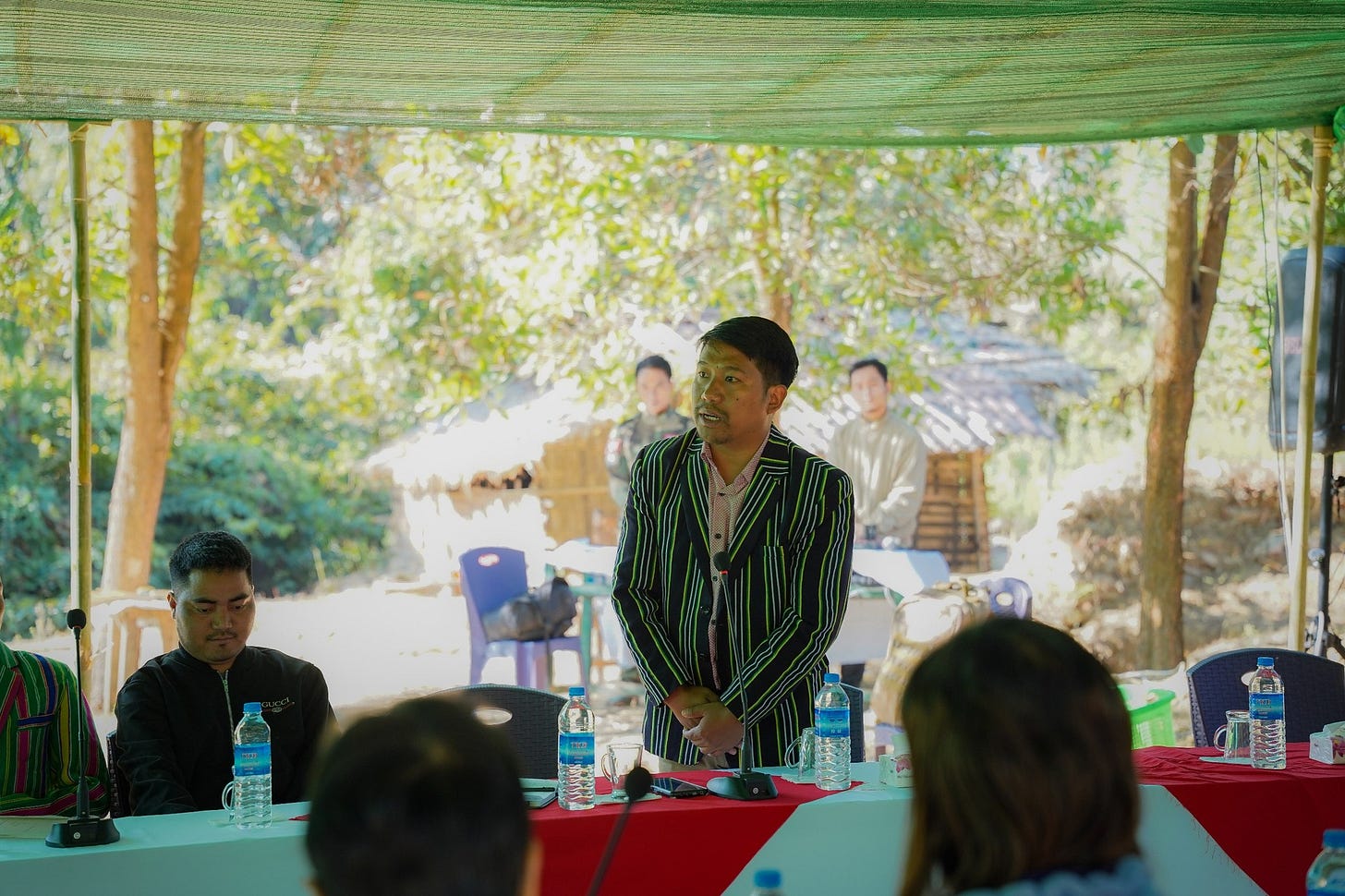
Image : CPU/CPA Facebook Page
III. Strategic Verdict: Defensive Depth
This alliance creates a mutually beneficial buffer. For the AA, a stable, friendly CPU/CPA secures its northern flank against junta counter-offensives. For the CPU/CPA, the AA provides the hardware and expertise required to transition from defense to territorial administration.
The Western Front is now anchored by a network of aligned proto-states. The ULA/AA is the center of gravity, and the southern half of the map is now effectively consolidated under this new revolutionary order.
Preview | Dispatch No. 6: The Highland Duel As we pivot from the consolidated coastal plains of Arakan to the rugged interior of the Chin Hills, the analytical lens shifts from state-building to an institutional fracture that defines the "managed competition" between the revolution’s primary patrons. In 2026, Chin State has become a tri-polar theater where the Chinland Council (CC), backed by the KIA’s centralized model, rivals the Chin Brotherhood (CB) and its preference for the AA’s decentralized kinetic doctrine. This fundamental clash over the state's future architecture is further complicated by the northern flank, where the Zomi Revolutionary Army - Eastern Command (ZRA-EC) and the Zomi National Party (ZNP) spearhead a distinct identity formation, maintaining a "Northern Fortress" that seeks sovereignty beyond the competing Chin and Bamar polarities.
If you find this analysis valuable, consider supporting our work so we can keep these deep dives coming: https://buymeacoffee.com/zolandfrontier